Understanding the Connection Between Dental Health and Culinary Pleasure
The simple pleasure of biting into a crisp apple or savouring a perfectly cooked steak is something many people take for granted until they experience tooth loss. The relationship between dental health and one’s ability to enjoy food extends far beyond mere aesthetics. When natural teeth are lost, the consequences ripple through every aspect of eating, from the mechanical process of chewing to the psychological enjoyment of meals. Modern dentistry has developed remarkable solutions to address these challenges, with dental implants Northern Ireland standing at the forefront of restorative treatments that can genuinely transform lives.
Missing teeth create a cascade of functional problems that affect daily living. The jaw’s ability to exert pressure diminishes significantly, making it difficult to process tougher foods. This limitation often forces individuals to modify their diets, avoiding nutritious options like fresh vegetables, lean meats, and whole fruits. Over time, such dietary restrictions can lead to nutritional deficiencies and a diminished quality of life. For those seeking comprehensive solutions, dental practices offer advanced treatments that address both functional and aesthetic concerns.
The Science Behind Bite Force Restoration
Natural teeth are anchored into the jawbone through a sophisticated biological system that allows for remarkable force distribution. A healthy adult can generate bite forces ranging from 150 to 200 pounds per square inch when chewing. This impressive capability enables the efficient breakdown of various food textures and consistencies. When teeth are lost, traditional dentures can only restore approximately 25 to 30 per cent of original bite force, leaving wearers frustrated with their limited chewing capacity.
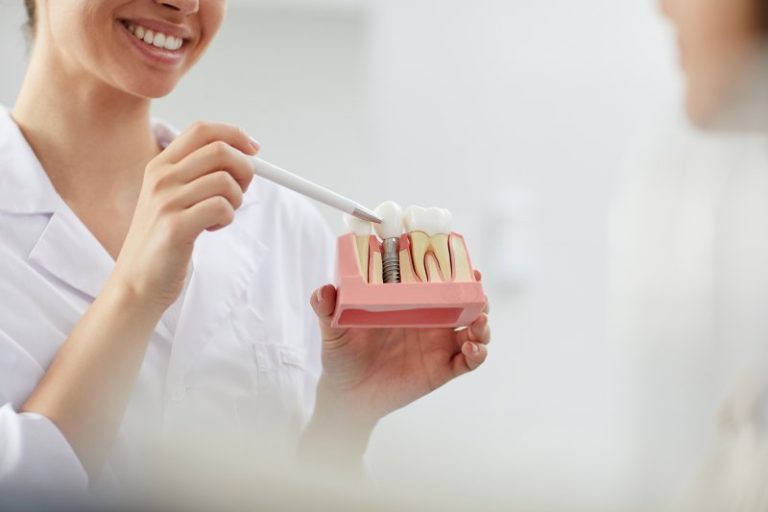
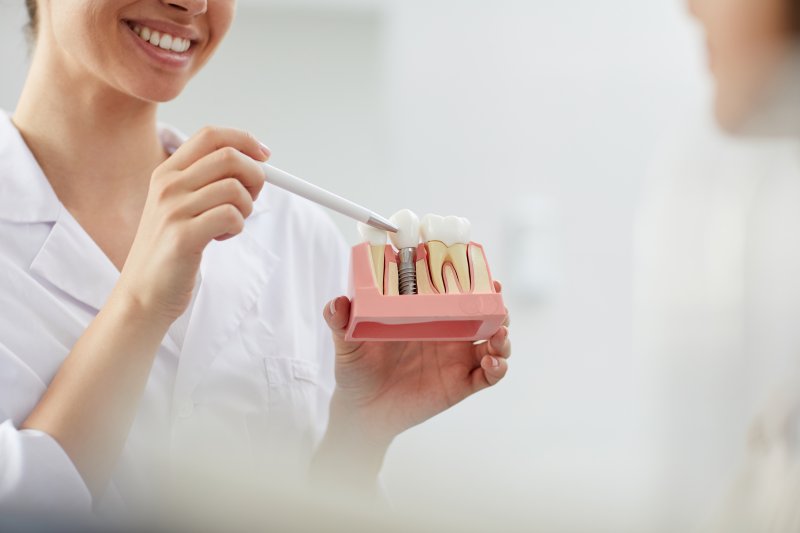
Dental implants function differently from conventional prosthetics by integrating directly with the jawbone through a process called osseointegration. This biological fusion creates a stable foundation that mimics the natural tooth root structure. Research has demonstrated that implant-supported restorations can restore up to 80 per cent of natural bite force, representing a substantial improvement over traditional alternatives. This restoration of functional capacity allows individuals to return to eating the foods they love without hesitation or discomfort.
How Implants Transform Daily Eating Experiences
The transformation that occurs when bite force is restored extends beyond mere functionality. Patients report renewed confidence in social dining situations, no longer worrying about food restrictions or embarrassing moments. The stability provided by implants eliminates the slipping and movement common with dentures, allowing for natural conversation during meals.
Nutritional Benefits of Restored Chewing Function
The ability to chew properly has profound implications for overall health and nutrition. When individuals regain their full chewing capacity through dental implants specialists provide, they can incorporate a wider variety of nutrient-dense foods into their diets. Fresh vegetables, which require substantial bite force to break down, become accessible once again. Lean proteins, essential for maintaining muscle mass and overall vitality, can be consumed without difficulty. This expanded dietary range contributes to improved digestive health, as properly chewed food is easier for the body to process and absorb.
Furthermore, the psychological benefits of unrestricted eating should not be underestimated. Food represents more than sustenance; it embodies culture, social connection, and personal enjoyment. When individuals no longer need to avoid certain foods or feel self-conscious about their eating abilities, they experience a significant improvement in their overall quality of life. Family gatherings, restaurant outings, and casual meals with friends become occasions for genuine enjoyment rather than sources of anxiety.
Long-Term Advantages for Oral Health
Beyond immediate functional improvements, dental implants offer substantial long-term benefits for oral health. Unlike traditional dentures, which rest on the gum surface, implants stimulate the jawbone in much the same way natural teeth do. This stimulation prevents the bone resorption that typically occurs after tooth loss, maintaining facial structure and preventing the sunken appearance often associated with missing teeth. Studies on bite force restoration through implant therapy have confirmed these lasting structural benefits.
The durability of dental implants also contributes to their value as a long-term solution. With proper care and maintenance, implants can last decades, providing consistent bite force and functionality throughout their lifespan. This longevity makes them a worthwhile investment for those seeking a permanent solution to tooth loss. Research into full arch implant systems and their impact on bite mechanics continues to demonstrate impressive success rates and patient satisfaction levels.
Embracing a Future of Culinary Freedom
The restoration of bite force through dental implants represents more than a dental procedure; it signifies a return to normalcy and the reclamation of life’s simple pleasures. For those who have struggled with the limitations of missing teeth, implants offer a path to rediscovering the joy of eating without compromise. The combination of scientific innovation and skilled dental practice has created solutions that genuinely transform lives, allowing individuals to enjoy food with the same confidence and pleasure they once knew.