Understanding the Modern Approach to Root Canal Therapy
Root canal treatment often causes anxiety for patients, particularly those who associate the procedure with pain or discomfort. However, advances in modern dentistry have made root canal therapy more predictable and comfortable, helping to preserve natural teeth that might otherwise require extraction. With effective local anaesthesia and improved techniques, many patients find the experience comparable to having a routine dental filling.
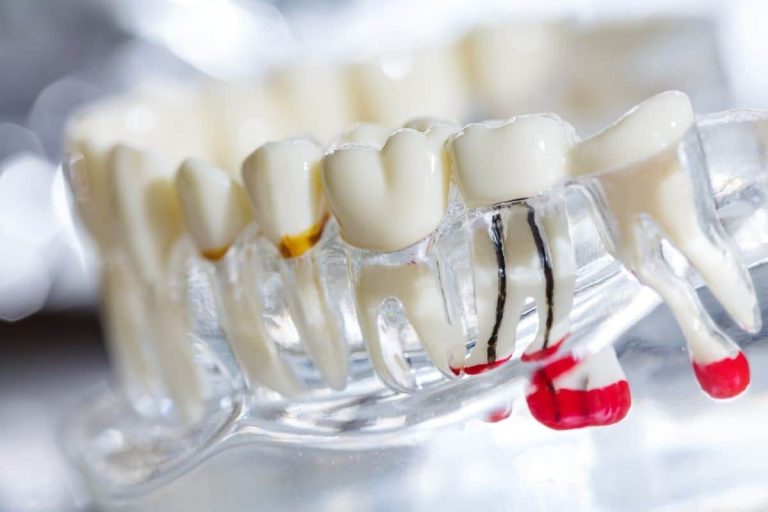
Modern endodontic treatment uses improved imaging, specialised instruments and carefully controlled techniques to remove infected or damaged tissue from inside the tooth. The canals are then cleaned, disinfected and sealed to help prevent further infection. If you are experiencing toothache or have been advised to undergo root canal treatment, visiting a dentist Harrow can help you understand your options and address any concerns. Early assessment and appropriate treatment can relieve symptoms, manage infection and improve the chances of saving your natural tooth.
Revolutionary Changes in Pain Management
Perhaps the most significant advancement in making root canal treatment more tolerable has been the development of superior anaesthetic techniques. Modern local anaesthetics are remarkably effective, ensuring that patients experience minimal sensation during the procedure. Dentists now have access to a range of anaesthetic options that can be tailored to individual needs, with some formulations providing extended pain relief that continues well into the recovery period.
Beyond traditional injections, many practices now offer pain-free approaches to modern root canal procedures that incorporate computerised delivery systems. These devices control the flow rate and pressure of anaesthetic administration, significantly reducing the discomfort associated with the injection itself. For particularly anxious patients, sedation dentistry has become an invaluable option, allowing individuals to undergo treatment in a deeply relaxed state or even whilst lightly asleep.
Technological Advancements Transforming Treatment
Digital Imaging and Precision Diagnostics
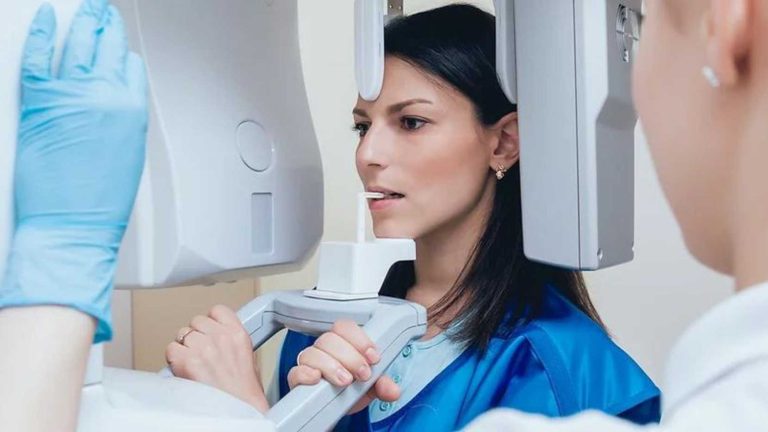
The introduction of digital radiography and cone beam computed tomography (CBCT) has revolutionised how dentists plan and execute root canal procedures. These imaging technologies provide three-dimensional views of the tooth structure, allowing practitioners to identify all root canals and assess the extent of infection with unprecedented accuracy. This precision means fewer surprises during treatment and more predictable outcomes for patients.
Rotary Instruments and Enhanced Efficiency
The shift from manual files to rotary nickel-titanium instruments has dramatically improved the efficiency and comfort of root canal procedures. These flexible, motorised instruments clean and shape root canals more quickly and thoroughly than traditional hand files, reducing treatment time and minimising patient fatigue. The smoother, more predictable nature of rotary instrumentation also decreases the likelihood of procedural complications, contributing to better outcomes and faster healing.
Modern practices, including those offering treatment through a dentist Harrow patients can access, now utilise operating microscopes that provide magnification up to twenty times normal vision. This enhanced visualisation allows endodontists to work with exceptional precision, identifying tiny canal openings and removing infected tissue more completely whilst preserving healthy tooth structure.
Creating a Supportive Environment for Anxious Patients
The physical advancements in root canal technology have been complemented by a fundamental shift in how dental practices approach patient care. Modern clinics recognise that addressing dental anxiety requires more than just technical proficiency; it demands empathy, clear communication, and a welcoming atmosphere. Many practices now offer amenities such as noise-cancelling headphones, comfortable treatment chairs, and even entertainment options to help patients relax during procedures.
Dentists have also become more adept at explaining procedures in accessible language, demystifying root canal treatment and helping patients understand what to expect. This transparency reduces fear of the unknown, which is often the primary source of dental anxiety. Furthermore, technological innovations in reducing root canal discomfort continue to emerge, promising even greater patient comfort in the years ahead.
Embracing the Future of Comfortable Endodontic Care
The transformation of root canal treatment from a feared procedure to a manageable experience represents a triumph of dental innovation and patient-centred care. With continuing advances in endodontic technology, nervous patients can approach necessary treatment with confidence, knowing that modern techniques prioritise their comfort and wellbeing. The combination of sophisticated equipment, refined methodologies, and compassionate care has fundamentally changed the root canal experience, ensuring that preserving natural teeth need no longer be a source of dread.